
When people think of escort girls in Paris, they often picture glamour, high-end dresses, and luxury cars. But the real story runs deeper. Many of the women who work as escortegirl paris are not just beautiful-they’re educated, culturally sharp, and deeply connected to the arts. You’ll find former dancers, linguists, art historians, and even published writers who choose this path not out of necessity, but because it gives them freedom, control, and the chance to engage with the world on their own terms.
Paris has always been a city of ideas. From the cafés of Saint-Germain to the galleries of Montmartre, intellectual curiosity is woven into the fabric of daily life. The women who serve as escorts en Paris often bring that same energy into their work. They read Proust before dinner, debate modern cinema with clients, and know the difference between a Rothko and a Pollock. This isn’t just companionship-it’s cultural exchange.
They’re Not Just for Show
One common misconception is that escort work is purely physical. That’s not true-not here, not anymore. In Paris, many clients seek more than just company. They want someone who can hold a conversation about the latest exhibit at the Musée d’Orsay, recommend a hidden jazz bar in Le Marais, or explain the symbolism in a Balenciaga runway show. These women are trained in etiquette, history, and psychology. They learn to read body language, adapt tone, and match energy. Some even take courses in sommelier training or classical music appreciation to better serve their clients.
It’s not unusual for a client to book an escort for a week-long trip through Provence, not because they want romance, but because they want someone who can make sense of the region’s medieval architecture, point out the best olive oil in a local market, and know when to talk and when to stay quiet. That kind of companionship doesn’t come from a catalog. It comes from experience, curiosity, and discipline.
The Art of Presence
Being an escort in Paris isn’t about performing. It’s about being present. These women master the art of listening-not just waiting for their turn to speak, but truly absorbing what the other person is saying. One woman I spoke with, who used to teach literature at the Sorbonne, told me she spends hours before each appointment reading up on her client’s background. If the client is a German engineer who loves jazz, she’ll listen to Miles Davis’ Paris recordings. If they’re a Japanese businessman who collects 18th-century porcelain, she’ll study the history of Sèvres porcelain. She doesn’t do it to impress. She does it to connect.
This level of preparation isn’t taught in schools. It’s learned through observation, empathy, and a deep respect for individuality. And it’s why so many clients return-not for the looks, but for the depth.
Why Paris? Why Now?
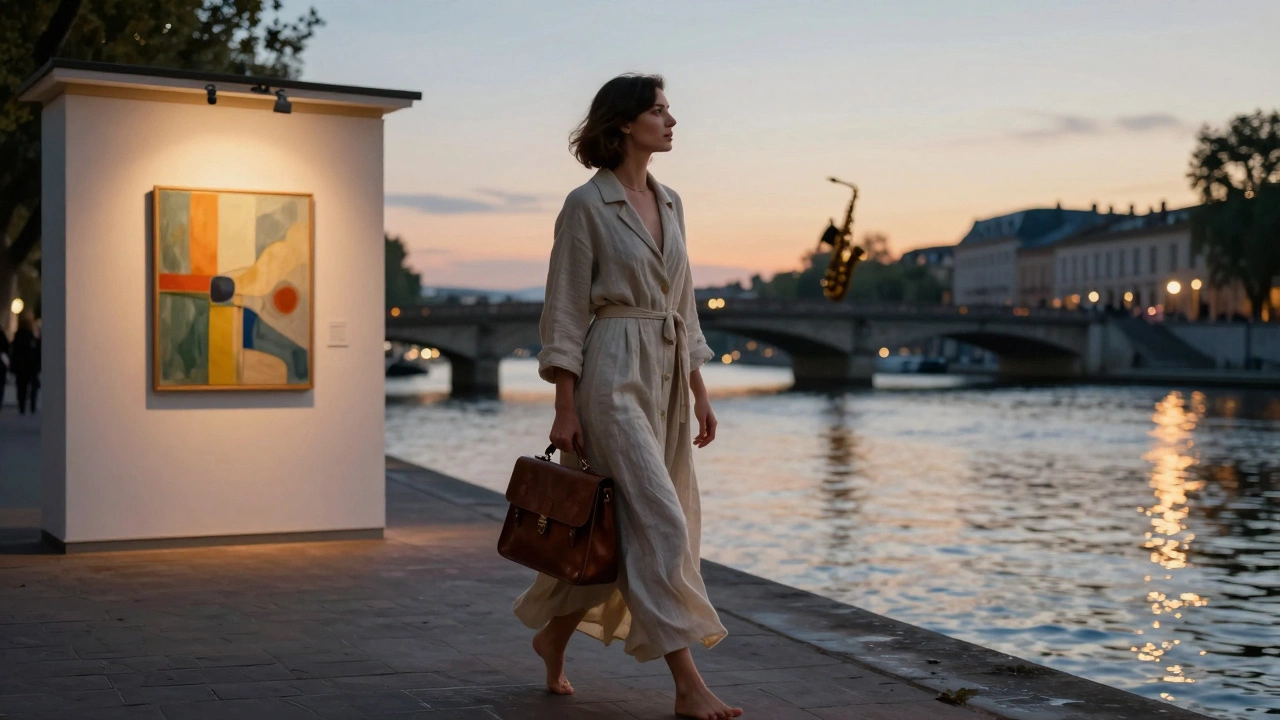
Paris remains one of the few cities in the world where intellectual companionship is still valued as much as physical attraction. The city’s long tradition of salons-where philosophers, artists, and patrons gathered to exchange ideas-still lives on, just in different forms. Today, those salons are private dinners, gallery openings, or quiet walks along the Seine. The escort parls who thrive here understand this. They don’t see themselves as service providers. They see themselves as curators of experience.
Unlike in other cities, where escort work is often hidden or stigmatized, Paris has a quieter, more nuanced acceptance. Many women operate independently, set their own rates, choose their clients, and control their schedules. They’re not trapped. They’re empowered. Some even use their earnings to fund art projects, write novels, or travel the world. One former escort now runs a small publishing house in Lyon that specializes in translated poetry from North Africa.
Breaking the Stereotypes
Media often reduces these women to one-dimensional figures: glamorous, silent, and disposable. But reality is messier-and more beautiful. These women are multilingual, financially literate, and emotionally intelligent. They manage their own taxes, negotiate contracts, handle bookings, and maintain personal boundaries. They know how to say no. They know how to walk away. And they rarely talk about their work publicly-not because they’re ashamed, but because they’ve learned that the truth doesn’t fit neatly into headlines.
Ask one of them what they love most about their job, and you might hear: "I get to see the world through other people’s eyes." Or: "I’ve met CEOs who cry about their children, artists who haven’t slept in three days, and retired diplomats who still quote Rilke." That’s not a job. That’s a window into humanity.
What It Really Costs
Of course, this work isn’t easy. It requires emotional stamina. It demands constant self-awareness. It means living in a world that often misunderstands you. Some clients assume they own your time. Some try to push boundaries. Some leave gifts that feel more like obligations than tokens of appreciation. These women learn to navigate it all-not with anger, but with quiet strength.
They also face legal gray areas. While prostitution itself is legal in France, soliciting and operating brothels are not. That means most work independently, through discreet networks or vetted platforms. They don’t advertise on street corners. They don’t use flashy websites. They rely on word-of-mouth, referrals, and reputation. That’s why finding a truly skilled escort in Paris takes time-and why the best ones rarely need to search for clients.
Who Are These Women?
They’re the woman who speaks five languages and teaches yoga on weekends. The one who paints abstract landscapes and sells them online. The one who studied neuroscience and now writes about the psychology of desire. They’re mothers, daughters, sisters, and friends. They’re not defined by their work. But their work? It’s a reflection of who they are: thoughtful, sharp, and deeply human.
If you ever meet one, don’t ask what she does for a living. Ask what she’s reading. Ask where she traveled last summer. Ask what piece of art moved her the most. You might be surprised by the answer. And you might walk away not just satisfied-but changed.